


Supporting Science this Spring
The following is provided by the Texas A&M Institute for Early Childhood Development & Education
Spring is a wonderful time to explore science with your child. As the weather warms up and plants begin to grow, children naturally start to notice changes in the world around them. These moments create great opportunities for learning. In early childhood, science learning often begins with curiosity: observing, asking questions, and talking about what we see. You do not need special materials or complicated experiments to support your child’s science learning. Simple everyday experiences can spark meaningful conversations and discoveries about the world around them.
Here are three ways you can support your child’s learning this spring:
Plant Something Together
Planting seeds is a simple way to introduce children to science concepts. You can plant flowers, herbs, or vegetables in a garden, flower bed, or even a small pot. As your child watches the plant grow, encourage them to observe and draw the changes they see over time. Ask questions like, “What do you notice today?” or “What do you think will happen next?” This is also a great time to introduce vocabulary like seed, soil, roots, stem, and leaves. Engage in conversations that help children to understand that plants need sunlight and water to grow.
Take a Nature Walk
Nature walks are a great way for children to explore their environment and practice observation skills. Spring in Texas brings many interesting things to notice: wildflowers, insects, birds, and changing weather. Encourage your child to slow down and look closely at what they see. Bring along a notebook and crayons for children to draw what they find. You might ask questions like, “What colors do you see?” “What insects can we find?” and “What sounds do you hear?” These conversations help children build vocabulary and strengthen their curiosity about the natural world.
Watch the Weather
Spring weather can change quickly, which makes it a fun topic to explore with children. Take a moment each day to look outside together and talk about what you notice. Is it sunny, cloudy, or rainy? Is the wind blowing? You can even ask your child to make predictions about what the weather might be like later in the day. Talking about weather helps children practice observing patterns and describing what they see.
Remember, you do not need to have all the answers to your child’s questions. In fact, learning often begins with wondering together. If your child asks a question you are unsure about, you can say, “That’s a great question! Let’s find out together.” Looking up answers in a book or online shows children that learning is something we can continue doing throughout our lives.
This spring, take advantage of the opportunities nature provides for exploration and discovery. Whether you are planting seeds, walking outside, or observing the weather, these small moments can help children build curiosity and develop a love for learning.
Recent Posts

Creating Simple Summer Routines
The Texas A&M Institute for Early Childhood Development & Education shows simple daily routines can help young children feel safe, confident, and independent.

Supporting Science this Spring
The Texas A&M Institute for Early Childhood Development & Education shows how everyday spring moments such as planting, exploring outdoors and watching the weather can spark curiosity and science learning in young children.

Driven by Curiosity
From elite collegiate swimmer to award‑winning researcher, doctoral student Ben Doyle ’28 is driven by curiosity about human performance.

Excellence in Education Beyond Texas
Former student and researcher earns All-District Teacher of the Year after two decades supporting students and mentoring future educators.

Caring for the Caregivers
Dr. Wen-Hsuan Chang explores how supporting parent mental health can strengthen disability systems and improve transition outcomes.

Celebrating Early Writing
The Texas A&M Institute for Early Childhood Development & Education highlights how simple, meaningful writing experiences help young children build confidence, communication skills and a strong foundation for lifelong literacy.

New Literacy Initiative Aims to Level the Playing Field for Rural Schools
Project ROOTS brings $15 million in federal funding to support reading and science instruction in underserved communities
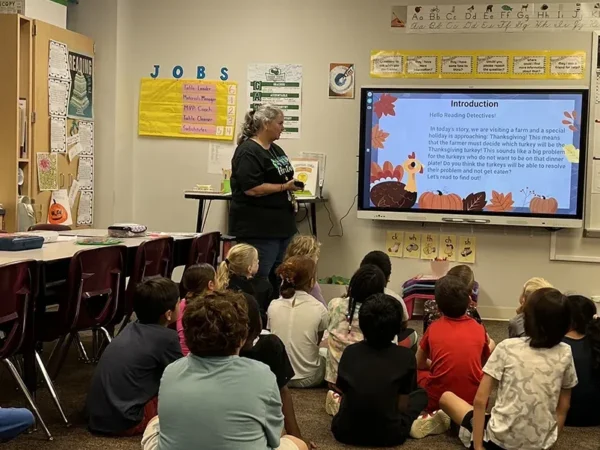
Building Better Reading Comprehension for Middle-Graders
Dr. Kay Wijekumar is expanding an evidence-based framework to strengthen middle-grade reading and learning strategies.

Built for the Workplace
Through hands-on learning and mentorship in Texas A&M’s Human Resource Development program, Hailey Molina ’26 transformed a summer internship into a full-time role.

Goal Setting for Littles
The Texas A&M Institute for Early Childhood Development & Education offers advice on simple, everyday ways families can support confidence, independence and learning for their young children.


