
Goal Setting for Littles
The following is provided by the Texas A&M Institute for Early Childhood Development & Education
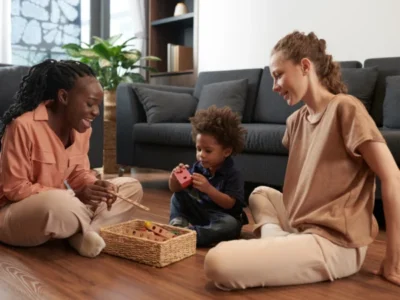
January is a great time for families to support young children as they learn new skills. For toddlers and preschoolers, a goal is simply a small skill they can practice during everyday routines. Choosing one skill at a time helps children build confidence, independence, and early social and language development. Here are a few ways families can support goal setting with their littles and why these skills matter!
Involve Your Child in Goal Setting
Even very young children can participate in choosing what they want to learn. Families can offer simple choices, such as practicing putting on shoes or turning the pages as you read books together each night. Allowing children to help pick the goal increases motivation and helps them feel more invested in learning a new skill.
Social Emotional Skills
Families can support goals that help children interact with others, such as using gentle hands, taking turns, or asking for help with words. Modeling these skills and pointing them out during daily routines helps children understand how to use them during play and social moments.
Independence and Self Help Skills
Toddlers and preschoolers benefit from practicing tasks like putting on shoes, zipping jackets, or cleaning up one toy before another comes out. Short, supported practice and clear steps help children become more independent and make daily routines smoother. At first, it may just be about trying the new skill with some help. Later, children can update their goal to do the task independently.
Early Literacy and Language
Families can set simple literacy goals such as looking at a book together each night or naming objects they see during errands out in the community. These small habits build vocabulary, strengthen conversation skills, and encourage positive reading routines.
Fine Motor Skills
Goals that involve hand and finger strength prepare children for early writing. Families can offer opportunities to hold crayons, make shapes with playdough, or draw simple lines and circles. These playful activities build foundational skills for later writing.
Rewards and Celebrations
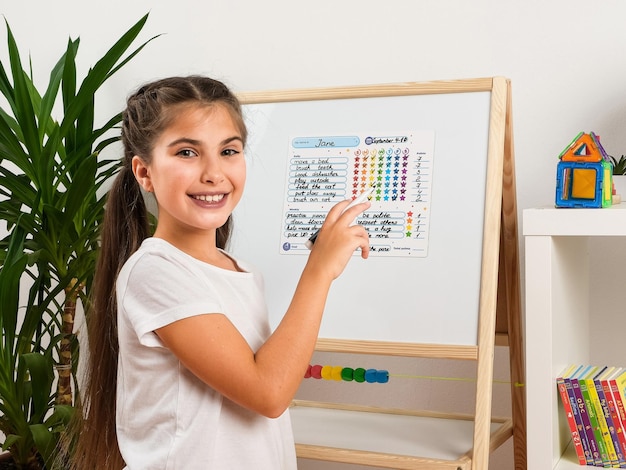
Young children respond well to encouragement and simple rewards. Natural rewards, such as being able to do something on their own, often motivate children. Families may also choose small celebrations like stickers, choosing a book at bedtime, or extra playtime. The goal is to recognize effort and help children feel proud of their progress.
Goal setting offers families a simple way to support growth in the new year. Practicing small skills together and celebrating progress strengthens family routines and helps children feel secure, capable, and ready to learn.
Recent Posts

New Literacy Initiative Aims to Level the Playing Field for Rural Schools
Project ROOTS brings $15 million in federal funding to support reading and science instruction in underserved communities
Building Better Reading Comprehension for Middle-Graders
Dr. Kay Wijekumar is expanding an evidence-based framework to strengthen middle-grade reading and learning strategies.

Built for the Workplace
Through hands-on learning and mentorship in Texas A&M’s Human Resource Development program, Hailey Molina ’26 transformed a summer internship into a full-time role.

Goal Setting for Littles
The Texas A&M Institute for Early Childhood Development & Education offers advice on simple, everyday ways families can support confidence, independence and learning for their young children.

Texas A&M CEHD Ranked Among Top 10 in Online Graduate Education
The Texas A&M College of Education and Human Development has among the best online graduate education programs in the country, according to U.S. News and World Report.

New Hagler Fellow Robert Pianta Explores Teacher-Student Dynamics
Virginia scholar brings research on classroom interactions to CEHD

Helping Our Heroes
Texas A&M researchers explored how firefighters’ protective gear affects their mobility, performance and long‑term health.
Bridging Education, Research and Community
The new TRACE Lab for Global Citizenship at Texas A&M University blends classroom learning with real-world engagement to empower students and educators as leaders.

More Than A Game: Texas A&M Global Initiative Elevates Youth Development Through Sport
Global Youth Sport for Development Initiative uses evidence-based programs to build life skills and opportunities for young athletes
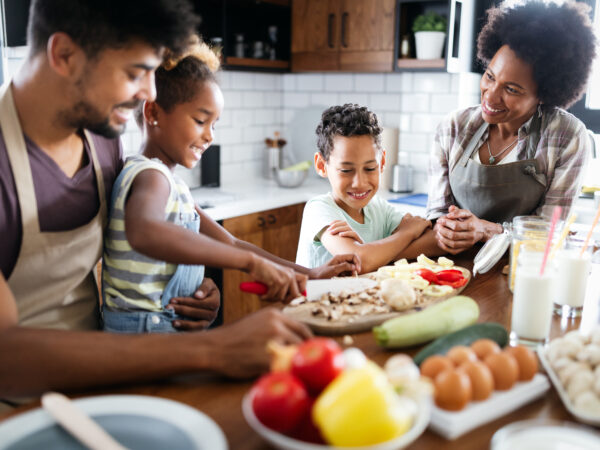
Learning Through Baking
The Texas A&M Institute for Early Childhood Development & Education offers advice on how you can turn baking into a fun learning experience.